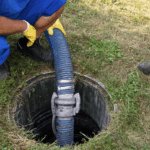
If a home isn’t connected to a public sewer line, it needs another way to safely manage wastewater. A septic tank is part of a simple, self-contained wastewater treatment system that handles everything flushed or drained from the house. It’s a reliable setup that keeps wastewater from becoming a health or environmental issue.
Many rural, off-grid, and even suburban homes depend on septic systems every day. Knowing how a septic system works makes it easier to take care of your home, avoid expensive repairs, and keep your water supply safe.
In this guide, we’ll break it all down in a way that’s easy to follow so you can understand exactly how does a septic tank system work and why it’s so important.
What Is a Septic Tank (and Septic System)?
A septic tank is an underground, watertight container designed to hold and treat wastewater from your home. Most tanks are made from concrete, fiberglass, or durable plastic. They’re built to last, stay sealed, and prevent waste from leaking into the surrounding soil. Inside the tank, wastewater separates into layers, allowing solids to settle and cleaner liquid to move on to the next stage of treatment.
Septic systems are common for properties that aren’t connected to a municipal sewer network. They’re especially popular in rural areas, off-grid locations, and large properties where running sewer lines isn’t practical. For these homes, a septic system offers a safe, effective, and long-term solution for handling wastewater—provided you understand how a septic system works and maintain it properly.
Components of a Septic System
A septic system includes several parts that work together to move, treat, and safely release wastewater. Each component plays a specific role in how a septic system works, and understanding these parts makes it easier to spot problems early and keep everything running smoothly.
Inlet / Conveyance Pipe
This pipe connects your home’s plumbing to the septic tank. Every time you flush a toilet or drain a sink, the wastewater travels through the inlet pipe and flows directly into the tank. Its job is simple but essential as it moves waste safely and efficiently away from the house.
Septic Tank
The septic tank is the main holding chamber of the system. Buried underground and built to be watertight, it’s where wastewater sits long enough for solids to settle at the bottom and for oils and grease to float to the top. This separation process is the first big step in how a septic tank system works, because it allows the tank to partially treat the waste before it moves on.
Baffles and Outlet Pipe
Inside the tank, baffles help guide the flow of wastewater and prevent solids and scum from escaping. They also protect the outlet pipe, which carries the clarified liquid (called effluent) out of the tank. These features are crucial for keeping solids contained, reducing clogs, and protecting the rest of the system, especially the drain field.
Distribution Box (D-Box)
Not every system has one, but many do. A distribution box, located between the septic tank and the drain field, is responsible for evenly distributing effluent into multiple drain-field lines. This helps prevent certain areas from becoming overloaded and ensures the system treats wastewater consistently.
Drain Field / Leach Field / Soil Absorption Area
After leaving the tank, the treated water flows into the drain field. This area contains a network of perforated pipes or trenches buried underground. As the effluent moves through these pipes, it slowly filters through layers of soil. The soil acts as a natural treatment system, removing harmful bacteria, nutrients, and contaminants before the water safely returns to the ground.
Together, these components form a complete and reliable wastewater system that protects your home and the environment.
How a Septic System Works (Step-by-Step)
Understanding how a septic system works becomes much easier when you break it down into simple steps.
Here’s what happens from the moment water leaves your home to the moment it safely returns to the ground.
1. Wastewater Leaves Your Home
Every time you flush a toilet, run the dishwasher, or take a shower, the used water flows through your home’s main drain pipe. Both “blackwater” from toilets and “greywater” from sinks, showers, and laundry enter the septic system through the same line. The inlet pipe directs all of this wastewater straight into the septic tank.
2. Wastewater Enters the Septic Tank and Begins to Separate
Once inside the tank, the flow slows down, allowing natural separation to happen. Heavy solids settle to the bottom, forming a layer of sludge. Oils, fats, and other substances that float to the top form a scum layer.
Between these layers is the clearer liquid—this is the portion that will proceed to the next stage of treatment. This separation step is one of the most important parts of how does a septic tank system work.
3. Bacteria Go to Work
Inside the tank, anaerobic bacteria start breaking down the organic material in the wastewater. They digest part of the solids, which helps reduce the amount of buildup and prepares the wastewater for the next phase. This natural biological process is what allows the tank to treat wastewater without chemicals or electricity.
4. Effluent Exits the Tank
After sitting in the tank long enough (usually 12 to 24 hours) the clearer middle layer, called effluent, flows out through the outlet pipe. Baffles and filters keep the sludge and scum trapped inside, ensuring only the treated liquid leaves the tank. Regular pumping is important because if solids build up too high, they can block this step or move into the next part of the system.
5. Final Treatment in the Drain Field
From the tank, the effluent travels into the drain field, either directly or through a distribution box. The drain field consists of perforated pipes buried in gravel or soil. As the water spreads out and soaks into the ground, the soil acts as a natural filter. Microorganisms in the soil remove harmful bacteria, nutrients, and contaminants before the water eventually returns to the groundwater.
This entire process happens quietly underground, every single day, keeping your property safe and your wastewater properly treated.
Why Proper Maintenance Matters
Although most of the system operates independently, regular maintenance is crucial to ensure everything runs smoothly. Over time, sludge and scum build up inside the septic tank. If the tank isn’t pumped on schedule, these layers can get too thick and start pushing solids into the drain field. When that happens, the system can clog, wastewater can back up into the home, and the drain field can fail—an issue that’s expensive and difficult to fix.
To prevent problems, homeowners should schedule routine pumping and inspections. Most systems need pumping every three to five years, but usage and tank size can change that timeline. Staying on top of maintenance helps protect your home, extend the life of the system, and prevent contamination of the surrounding environment. A well-cared-for system keeps how a septic system works efficiently and reliably for years to come.
Take Care of Your Septic System the Right Way
A septic tank provides homes without public sewer access a safe and reliable way to manage wastewater. By separating solids, breaking down waste naturally, and filtering treated water through the soil, the system maintains your property’s cleanliness and protects the environment.
When you understand how a septic system works, it’s easier to stay ahead of problems, schedule maintenance on time, and make informed decisions about repairs. It also helps you spot early warning signs and avoid costly damage.
With proper care, a septic system can last for decades. And whenever you need professional help, ProSeptic is ready to handle inspections, pumping, and repairs. Their team keeps your system running smoothly so you can focus on enjoying your home.
Need dependable septic service? Reach out to ProSeptic today.