Clogged drains are frustrating. They slow down daily routines and often show up at the worst time. Many homeowners reach for a familiar bottle under the sink and hope for a quick fix. For homes connected to a septic system, that choice comes with an extra layer of concern and can sometimes delay the need for proper solutions like septic tank pumping services.
The question comes up often, and for good reason. Is drano safe for septic systems, or does it cause more harm than help?
Key Highlights:
|
How Septic Systems Actually Work
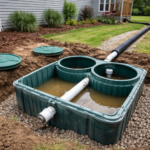
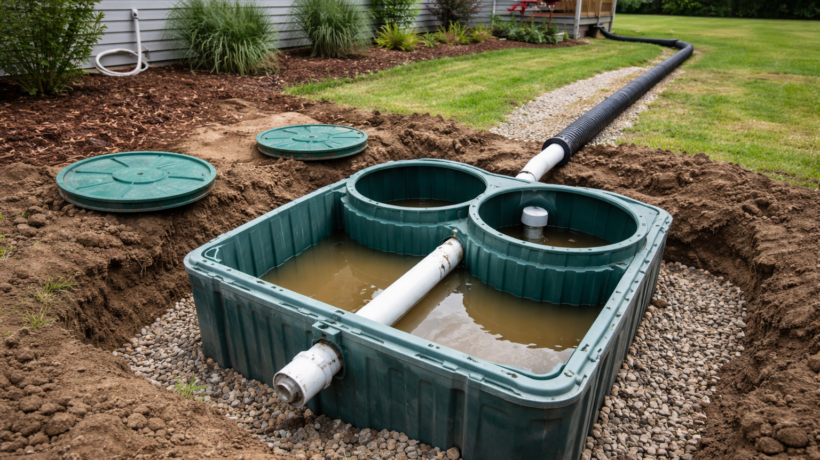
A septic system relies on balance. Wastewater from your home flows into a septic tank, where solids settle to the bottom and oils float to the top. The middle layer holds liquid waste that moves into the drain field.
Inside the tank, bacteria play a key role. They break down organic waste and reduce buildup. When this process works as intended, the system runs quietly in the background. Problems start when that balance is disrupted.
Harsh chemicals, excessive water use, and skipped maintenance can all interfere with bacterial activity. Over time, that disruption can lead to backups, slow drains, or drain field damage. These issues often develop gradually, which makes them easy to overlook.
What Drano Is Designed to Do
Drano is a chemical drain cleaner intended to clear blockages inside household pipes. It targets clogs caused by:
- Hair and soap residue
- Grease buildup
- Food particles
The formula produces a chemical reaction that generates heat. That reaction breaks down materials blocking the drain. For localized pipe clogs, the product can appear effective.
Drano focuses on clearing the drain line. It does not account for what happens after the chemical moves into a septic tank.
Is Drano Safe for Septic Systems?
This is where things get nuanced. Many people ask whether drano septic is safe, especially when labels suggest compatibility with septic systems. The answer depends on frequency, system condition, and long-term impact.
Occasional use in small amounts may not cause immediate failure. That does not mean the system is unaffected. Chemical drain cleaners can reduce beneficial bacteria inside the tank. Over time, that reduction slows waste breakdown.
The result is often hidden at first. Sludge builds up faster. Solids move where they should not. Drain fields take on extra strain. These effects do not always show up after one use, which makes the risk easy to underestimate.
Short-Term Relief Versus Long-Term System Health
Chemical drain cleaners tend to deliver quick results. That speed is part of their appeal. Septic systems, however, operate on long-term biological processes.
Short-term outcomes may include:
- Faster drainage
- Temporary clog removal
- Fewer visible plumbing symptoms
Long-term consequences often include:
- Reduced bacterial efficiency
- Faster sludge buildup
- Increased pumping frequency
- Higher risk of system failure
Septic systems perform best under steady conditions. Repeated chemical exposure disrupts that balance and shortens system lifespan.
Situations Where Drano Poses Higher Risk
Some septic systems are more vulnerable than others. Older systems often have reduced capacity or aging components. Tanks that are overdue for pumping already operate under stress.
Homes with recurring clogs also face higher risk. Frequent drain issues often point to deeper problems, such as pipe damage or drain field saturation. In these cases, chemical cleaners address symptoms rather than causes.
If your system already shows warning signs, chemical drain cleaners can accelerate existing issues.
Septic-Safe Alternatives to Chemical Drain Cleaners
Safer options exist for managing minor clogs without harming septic balance. These methods require more effort but protect long-term system health.
Mechanical solutions:
- Plungers for sink and toilet clogs
- Drain snakes for hair and debris removal
Maintenance-friendly approaches:
- Hot water flushes for grease buildup
- Enzyme-based cleaners that support bacteria
Preventive habits:
- Avoid pouring grease down drains
- Use strainers in sinks and showers
- Limit disposal of food waste
Homeowners searching for drano septic safe options often find these alternatives more reliable over time.
What Professionals Recommend Instead
When clogs become frequent, professional input matters. Licensed septic providers assess the entire system rather than a single drain. They look for buildup, flow issues, and early signs of failure.
Professionals often advise against routine chemical cleaner use. Instead, they recommend regular septic inspections and scheduled pumping. These services maintain system balance and catch issues early.
A professional approach costs more upfront than a bottle of cleaner. It often saves money in the long run by preventing major repairs.
The Truth Behind “Septic-Safe” Labels
Marketing language on household products is designed to sell, not to protect your infrastructure. While a label might claim a product is “septic-safe,” this often means it simply won’t cause an immediate plumbing catastrophe.
True safety involves supporting the long-term biological health of your system, which many national brands fail to do.
- The “Safe for All Systems” Assumption
National retail standards do not guarantee universal compatibility. Septic systems vary widely in age and soil conditions; a product that is harmless in a modern aerobic unit could be catastrophic for an older gravity-fed system.
- Dissolvability vs. Biodegradability
Mechanical “flushability” does not equate to biological breakdown. Products like “flushable” wipes may break into smaller pieces, but those synthetic fibers often fail to decompose, leading to sludge buildup and expensive pump-outs.
- The Invisible Impact of Antimicrobials
Standard cleaners often contain surfactants and antibacterial agents that “sterilize” your tank. These chemicals kill the beneficial microbes required to liquefy solids, halting the natural decomposition process and creating a toxic environment.
- The Cumulative Effect Oversight
Labels ignore the reality of daily use. While a single “safe” dose of a chemical might be fine, the daily accumulation of multiple cleaners, detergents, and soaps can overwhelm the system’s microbiome over time.
Relying on a label alone ignores these nuances. Protecting your home requires looking beyond the packaging and prioritizing truly biodegradable options that support the system’s natural waste treatment process.
Final Verdict: Should You Use Drano With a Septic System?
So, is drano safe for septic use? Occasional use may not cause immediate damage, but routine reliance carries real risk. Septic systems depend on biological processes that chemical cleaners can disrupt.
If you choose to use Drano, it should be rare and cautious. It should never replace proper maintenance or professional evaluation. For ongoing drain problems, safer alternatives and expert guidance provide better outcomes. Protecting your septic system means thinking beyond short-term convenience.
Protecting Your Septic System Long-Term
Septic systems last longer when they are treated with care. Smart choices around drain maintenance make a measurable difference over time. Chemical cleaners may seem harmless, but repeated use can undermine system stability.
At ProSeptic, we help homeowners protect their systems through inspections, maintenance, and practical guidance. Our services focus on prevention and long-term performance, not quick fixes.
Explore our services and see how we can help keep your system running smoothly.