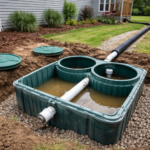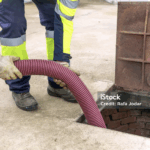

Homeowners look for a simple rule when asking how often a septic tank is pumped. While there is no universal schedule, industry guidelines provide a helpful starting point. For many residential systems, pumping every three to five years is common under average use.
That timeframe assumes a standard household size and typical water consumption. In those situations, professionals generally agree on how often to pump septic tank systems to prevent excess solids from leaving the tank. Regular pumping keeps the system balanced and reduces unnecessary strain on the drain field.
General guidelines offer a useful reference point, but they only tell part of the story. Two homes with similar septic systems may still require different pumping schedules. That difference usually comes down to how the system is used and the conditions it operates under.
To better understand how often to pump septic tank systems, it helps to look at the specific factors that influence buildup and performance.
Key Highlights:
|
Factors Affecting How Often a Septic Tank Should Be Pumped
Several variables determine how often to pump septic tank systems. These factors explain why pumping schedules differ from one household to another. Understanding them helps homeowners make informed decisions rather than rely on guesswork.
1. Household Size and Daily Water Use
The number of people living in a home plays a major role in how often a septic tank is pumped. More occupants mean more water use. That water carries solids into the tank more quickly. As solids accumulate, the available space inside the tank decreases.
Homes with frequent laundry loads, long showers, or high water usage typically need pumping sooner. In these situations, recommendations for how often pump septic tank service may be closer to the shorter end of the standard range.
2. Septic Tank Size and System Capacity
Tank size directly affects how often to pump septic tank systems. Smaller tanks fill with solids faster, even with moderate use. Larger tanks can hold more waste, allowing longer intervals between pumpings.
This does not mean large tanks can be ignored. Without routine service, solids still build up over time. Tank capacity simply determines how often a septic tank should be pumped, not whether it needs to be pumped.
3. Age and Condition of the Septic System
Older systems require closer monitoring. Wear, outdated design, or past maintenance issues can reduce efficiency. As such, professionals may recommend adjusting how often pump septic tank schedules to prevent problems.
Newer systems may perform more efficiently, but they are not immune to buildup. Age alone does not eliminate the need to understand how often to pump septic tank systems based on actual use.
4. Type of Waste Entering the System
What goes down the drain matters. Flushing non-degradable items, grease, or harsh chemicals can disrupt normal breakdown inside the tank. These materials increase solid accumulation and reduce efficiency.
5. Maintenance History and Inspection Frequency
Systems that receive regular inspections tend to follow more accurate pumping schedules. A well-documented service history makes it easier to determine how often to pump septic tank systems based on actual sludge levels.
Skipping inspections leads homeowners to rely on assumptions. That approach increases the risk of pumping too late.
Additional Factors That Influence How Often A Septic Tank Must Be Pumped
General household characteristics explain part of the pumping timeline, but daily choices and system conditions also matter, such as:
- Garbage disposal use
Regular use of a garbage disposal increases the amount of solid waste entering the tank. Food particles contribute to sludge buildup and shorten septic tank pumping intervals. - Materials flushed or drained
Grease, wipes, and non-degradable items disrupt the natural breakdown process. These materials raise the need to reassess how often to pump septic tank systems. - Drain field condition and soil type
Slow-draining or compact soil places added stress on the system. In these situations, professionals may recommend adjusting how often a septic tank is pumped to protect the drain field. - Maintenance and inspection history
Systems with regular inspections follow more accurate schedules. A clear service record makes it easier to determine how often pump septic tank service is actually required.
Warning Signs That Indicate Pumping Is Overdue
Even with a set schedule, septic systems do not always follow a predictable pattern. Changes in use or skipped maintenance can cause solids to build up faster than expected. As a result, early warning signs confirm how often to pump septic tank systems before problems escalate.
In addition, slow drains throughout the home are a common signal. When sinks, tubs, and toilets all drain poorly, the tank may be nearing capacity. This happens when homeowners realize how often a septic tank needs adjustment.
Not only that, odors near drains, the tank, or the yard suggest delayed service. These smells frequently appear when pump septic tank schedules are pushed too far.
Pooling water or unusually green grass near the drain field can also develop over time. These conditions suggest solids may be escaping the tank. They reinforce why staying aware of how often to pump septic tank systems helps prevent larger issues.
Paying attention to these warning signs helps homeowners respond before minor issues turn into system failures. When symptoms appear, they point back to missed or delayed maintenance.
Staying Ahead of Septic Tank Maintenance
Knowing how often a septic tank should be pumped helps homeowners protect their property and avoid unnecessary repairs. While general guidelines offer a starting point, actual pumping schedules depend on household use, system design, and ongoing maintenance habits. Ignoring these factors may lead to delayed service and preventable issues.
At ProSeptic, we help homeowners determine how often to pump septic tank systems based on real conditions, not assumptions. Our services focus on inspections, timely pumping, and clear guidance that supports long-term system performance.
To learn more about our services or schedule an inspection, visit ProSeptic and see how proactive care makes septic maintenance easier to manage.