Many homeowners eventually ask the same question: how do you pump a septic tank. It usually comes up after years of regular use, during a home sale, or when warning signs start to appear. Septic systems work quietly in the background, so it is easy to forget about maintenance until something feels off.
Pumping a septic tank is one of the most important parts of caring for a private wastewater system. It removes accumulated solids that naturally build up over time. When those solids are left untreated, they can interfere with normal flow and place stress on the drain field.
This guide explains how you pump a septic tank, what the process looks like, and why pumping a septic tank should always be handled correctly.
Key Highlights:
|
What Does Pumping a Septic Tank Mean?
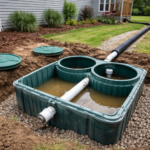
A septic tank holds wastewater from your home. Over time, solids settle at the bottom while lighter materials float to the top. The liquid in the middle flows out to the drain field.
Pumping a septic tank means removing the solid waste that builds up inside the tank. This includes sludge at the bottom and scum at the surface. If these materials stay in the tank too long, they can reduce capacity and interfere with proper flow.
Pumping a septic tank does not clean pipes or repair damage. It serves one main purpose. It creates space so the system can continue working as intended. Regular pumping also allows professionals to visually check the tank for cracks, leaks, or other concerns.
Homeowners sometimes assume pumping is optional. It is not. Pumping a septic tank is routine maintenance that protects both the tank and the drain field. Without it, backups and system failure become far more likely.
How Do You Pump a Septic Tank?
When people ask how do you pump a septic tank, they often picture a simple process. In reality, pumping a septic tank requires specialized equipment, proper handling, and safe disposal.
Here is how professionals typically pump a septic tank:
- The tank location is identified and exposed
- Access lids are opened carefully
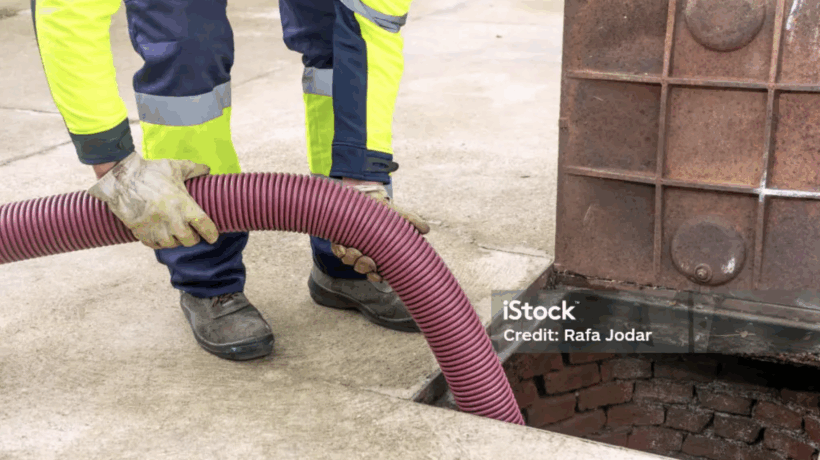
- A vacuum hose is inserted into the tank
- Waste is removed using a pump truck
- The tank interior is checked after pumping
This process removes years of accumulated waste in a controlled manner. Pumping a septic tank also involves transporting the waste to an approved treatment facility. That step is regulated and cannot be done casually.
It is important to understand that homeowners do not physically pump a septic tank themselves. Even though the question how do you pump a septic tank sounds hands-on, the answer almost always involves hiring trained professionals.
Signs It’s Time to Pump a Septic Tank
Some homeowners wait for a problem before pumping a septic tank. That approach often leads to higher costs. There are warning signs that suggest it is time to pump a septic tank before damage occurs.
Watch for these common indicators:
- Slow drains throughout the home
- Gurgling sounds from plumbing
- Sewage odors near the tank or yard
- Standing water near the drain field
- Sewage backing up into fixtures
Any of these signs can mean the tank is full. Pumping a septic tank at the right time helps prevent backups and protects the drain field from contamination.
Even if none of these signs are present, pumping a septic tank on a schedule remains important. Systems can appear fine while still being overdue for service.
How Often Should You Pump a Septic Tank?
There is no single answer that fits every home. Pumping a septic tank depends on usage and system size. Still, general guidelines help homeowners plan ahead.
Factors that affect how often you pump a septic tank include:
- Number of people in the household
- Tank capacity
- Water usage habits
- Garbage disposal use
- Laundry frequency
Most households need pumping a septic tank every three to five years. Larger families or smaller tanks may require more frequent service. Waiting too long increases the risk of solids reaching the drain field.
What Happens During Pumping a Septic Tank
On service day, pumping a septic tank follows a consistent process. The technician locates the tank and opens the access points. A large hose connected to a vacuum truck removes the contents.
During pumping a septic tank, technicians often:
- Measure sludge and scum levels
- Check inlet and outlet baffles
- Look for cracks or corrosion
- Confirm the tank empties properly
This septic tank inspection is an added benefit of pumping a septic tank. It helps identify small issues before they turn into major repairs.
Once pumping is complete, the lids are sealed and the area is restored. The process is efficient and usually completed in one visit.
Can You Pump a Septic Tank Yourself?
Some homeowners wonder if they can pump a septic tank on their own, especially after learning more about how to pump a septic tank. While the question sounds straightforward, the reality is far more involved.
Pumping a septic tank requires industrial-grade vacuum equipment that is not available for residential use. It also involves direct contact with hazardous waste, which carries health risks when handled improperly.
There are also strict legal and environmental rules tied to pumping a septic tank. Waste must be transported and disposed of at approved facilities, and improper disposal can lead to serious penalties. Without the correct permits, training, and equipment, attempting to pump a septic tank can damage the tank, contaminate the surrounding soil, or expose people to harmful bacteria.
For these reasons, pumping a septic tank should always be handled by licensed professionals. Understanding how you pump a septic tank helps homeowners make informed choices, but the actual work should be left to those with the proper tools and experience.
Take a More Proactive Approach to Septic Tank Care
Understanding how you pump a septic tank helps homeowners make better decisions about maintenance and timing. Pumping a septic tank is a routine service, but it plays a major role in protecting the system and the property it serves. When pumping is done on a regular schedule, it reduces the risk of backups, odors, and preventable damage that can lead to costly repairs.
At ProSeptic, we work with homeowners to stay ahead of septic issues through proper pumping and ongoing care. Our services focus on reliability, safety, and long-term system performance.
If you would like to learn more about our services or want to schedule service, contact our team today.