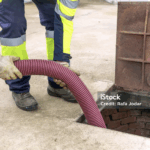

Choosing the right wastewater system is an important decision for any homeowner. In many parts of the country, connecting to a municipal sewer line is not an option. That is when a septic system becomes part of the conversation. Before making that choice, it helps to understand the pros and cons of septic tanks in practical terms.
Septic systems have been used for decades. They are common in rural and semi-rural areas. Some homeowners value the independence they offer. Others worry about maintenance and long-term costs. These concerns are valid. The pros and cons of septic tank ownership can vary based on property size, soil conditions, and household usage.
This guide breaks down the septic tank pros and cons, focusing on cost, upkeep, reliability, and day-to-day impact. With the right information, homeowners can weigh the pros and cons of septic tanks and decide what fits their property and budget.
How Septic Systems Work
Before weighing the pros and cons of septic tanks, it helps to understand how these systems function. A septic system treats wastewater directly on your property. It operates underground and relies on natural processes rather than municipal infrastructure.
Wastewater from sinks, toilets, and appliances flows into a septic tank. Inside the tank, solids settle at the bottom while lighter materials rise to the top. This separation allows partially treated liquid, known as effluent, to exit the tank. The effluent then moves into a drain field, where soil helps filter and treat it further.
This process works quietly when the system is sized and maintained properly. Problems tend to appear when systems are overloaded or neglected. That is why system knowledge plays a role in evaluating septic tank pros and cons. Homeowners who understand how septic systems work are better prepared to manage them.
The design also explains many of the pros and cons of septic tank ownership. Independence from sewer lines is one benefit. Maintenance responsibility is a tradeoff. Both sides become clearer once you see how the system operates.
Pros and Cons of Septic Tanks for Residential Properties
When evaluating wastewater options, homeowners often focus on daily convenience and long-term responsibility. That balance sits at the center of the pros and cons of septic tanks. A septic system can work very well in the right setting. It can also create challenges if the property or usage is not a good match.
Residential properties vary widely. Lot size, soil conditions, and water usage all affect system performance. These factors influence the real-world septic tank pros and cons far more than general opinions. A system that works smoothly for one household may struggle in another.
Understanding the pros and cons of septic tank ownership also requires a long-term view. Septic systems are not hands-off solutions. They require attention, routine care, and informed use. In return, they offer independence from municipal sewer systems and predictable operating costs.
Pros of Septic Tanks
Many homeowners choose septic systems for practical reasons. When conditions are right, the benefits can outweigh the drawbacks. Understanding these advantages helps put the pros and cons of septic tanks into better context.
1. Lower Monthly Utility Costs
One of the most noticeable benefits is cost control. Homes with septic systems do not pay monthly sewer fees. Over time, this can lead to meaningful savings. While maintenance is required, expenses tend to be predictable when the system is cared for properly.
2. Independence From Municipal Sewer Systems
Septic systems operate entirely on the property, which means homeowners are not affected by city sewer overflows, line failures, or infrastructure upgrades. This independence can be valuable in areas where municipal systems are aging or unreliable.
3. Long Service Life With Proper Care
A septic system that receives routine maintenance can remain functional for decades. Regular pumping prevents solid buildup, while inspections help identify minor issues before they turn into larger problems. This long lifespan can offset initial installation costs when the system is properly used and maintained.
4. Environmental Benefits in Suitable Conditions
When soil conditions are appropriate, septic systems treat wastewater through natural filtration processes. The surrounding soil helps remove contaminants before water returns to the environment.
5. Flexible Placement for Certain Properties
Septic systems make it possible to build or live in areas without access to public sewer lines. This flexibility supports development on larger lots, rural land, and properties outside city limits. For homeowners in these locations, septic systems are often the most practical wastewater solution available.
Cons of Septic Tanks
While septic systems offer clear benefits, they also come with responsibilities. These drawbacks matter when weighing the pros and cons of septic tanks for a specific property. Understanding them upfront helps avoid surprises later.
1. Upfront Installation Costs
Installing a septic system requires a significant initial investment. Costs vary based on soil testing, system design, excavation, and local permitting requirements. In some cases, challenging soil conditions or advanced system needs can raise installation costs well beyond basic estimates.
2. Ongoing Maintenance Responsibilities
Septic systems are not maintenance-free. Tanks must be pumped regularly, and inspections are needed to monitor system health. Ignoring these responsibilities increases the likelihood of backups, odors, and drain field problems, all of which can lead to costly repairs.
3. Risk of System Failure Without Proper Use
Septic systems depend on careful use. Flushing non-degradable items, using excessive water, or neglecting routine care places stress on the system. Over time, this misuse can lead to clogs, leaks, or drain field failure, disrupting normal household function.
4. Limitations on Landscaping and Property Use
The drain field requires protection to function properly. Heavy vehicles, construction projects, and deep-rooted plants can damage underground components. These restrictions limit how homeowners can landscape or develop certain areas of their property.
5. Potential Repair and Replacement Costs
Repairs can be costly if problems go unnoticed. In severe cases, full replacement may be required. This financial risk is one of the stronger arguments on the downside of the pros and cons of septic tanks.
Making an Informed Decision About Septic Systems
Understanding the pros and cons of septic tanks helps homeowners make informed choices about long-term wastewater management. Septic systems can offer cost control, independence, and durability when they are properly designed and maintained.
At the same time, they require ongoing care, responsible use, and a clear understanding of potential repair costs. These tradeoffs shape the real-world septic tank pros and cons for each property.
There is no single answer that works for every homeowner. Property size, soil conditions, household usage, and local regulations all influence how the pros and cons of septic tank ownership play out over time. Weighing these factors carefully can help avoid unexpected expenses and system issues later on. At ProSeptic, we work with homeowners to evaluate their options and understand what a septic system requires over its lifespan. To learn more about ProSeptic and how we can help, reach out and explore your options with our team.