A well-functioning septic system keeps your home comfortable and prevents costly disruptions. Many homeowners feel confident with basic upkeep, yet a septic system still needs routine attention to stay in good condition.
Careful habits make a difference because they support long-term performance and reduce the chances of expensive repairs, thereby extending the lifespan of your septic tank. These habits also help you stay ahead of issues that usually start small.
This guide explains practical steps you can follow to protect your system every day. It also highlights how consistent septic tank maintenance gives your home a reliable wastewater solution.
Key Highlights
|
Why Septic Tank Maintenance Matters for Every Homeowner
Regular care plays a major role in keeping your system dependable. A septic system works quietly in the background, making it easy to forget about. Issues often begin slowly, and homeowners usually notice them only when the system starts to struggle. Steady attention helps prevent these problems and supports healthier performance over time.
A consistent septic system maintenance routine also protects your home from costly disruptions. Repairs linked to neglected systems tend to be more expensive than routine service.
Simple habits like monitoring water use and scheduling regular pumping strengthen your plan for long-term septic tank maintenance. These habits safeguard your property and help your system respond better to changing household demands.
Understanding How Your Septic System Works
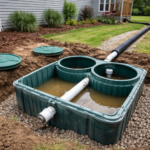
A septic system handles wastewater in a contained and efficient process. It directs water from your sinks, showers, and toilets into the septic tank, where solids settle at the bottom. Lighter materials rise to the top, forming a separate layer. This helps the tank manage waste more effectively before the water moves into the drain field.
Once the treated water flows out, the drain field filters it through the soil. Healthy soil conditions support this final step, keeping the system running smoothly. Understanding how each part works helps you make better choices for septic system maintenance. It also gives you a clearer view of why consistent septic tank maintenance protects your home from long-term issues.
Daily Habits That Support Better Septic System Maintenance
Daily routines shape the long-term performance of your system. Simple choices protect the tank, support healthy bacteria, and keep wastewater flowing correctly. These habits strengthen your overall septic system maintenance plan and help you avoid avoidable issues.
1. Be Mindful of Water Usage
Every drop that enters your plumbing reaches the septic tank. When too much water rushes in at once, the system may struggle to separate solids. That slows down the process and puts pressure on the drain field.
You can ease the load through a few practical habits. Space out laundry cycles. Fix small leaks early. Shorten long showers when possible. These small steps help maintain stable water levels, which supports better septic system maintenance and reduces the likelihood of backups. A steady flow helps the tank manage waste more efficiently, which is one of the core goals of strong septic tank maintenance.
2. Keep Drains Clear of Harmful Items
Your drains are not designed to handle everything, even if an item seems harmless. Grease cools and hardens inside the system. Coffee grounds and eggshells settle at the bottom of the tank. Wipes—labeled “flushable” or not—can clog pipes and interrupt proper flow.
These materials make septic tank maintenance more difficult because they stay inside the tank longer than expected. They can also block the drain field, leading to more extensive repair needs.
Choosing what goes down each drain carefully strengthens your overall approach to septic system maintenance each day. When in doubt, throw it out instead of sending it down the drain.
3. Choose the Right Cleaning Products
Cleaning products play a crucial role in everyday care. Certain solutions kill the bacteria responsible for breaking down waste inside the tank. When those bacteria decline, solids accumulate faster than expected.
Look for septic-safe detergents, soaps, and surface cleaners that have labels indicating gentle formulas. They protect bacterial activity and support consistent septic system maintenance.
You don’t need specialized products for every task, but choosing balanced options supports healthier tank conditions and easier long-term septic tank maintenance.
4. Avoid Heavy Household Surges
Large amounts of wastewater sent into the system at the same time can overwhelm the tank. Running the dishwasher and washing machine at once is a good example. These surges reduce efficiency and may lead to slow drains throughout the home.
Spreading out these activities helps the tank work at a stable pace. This becomes a valuable part of daily septic system maintenance, especially in a busy household where multiple people rely on the system throughout the day.
Pumping and Inspection: The Heart of Septic Tank Maintenance
Routine service keeps your septic system reliable. Pumping and inspections work together to prevent buildup, protect the drain field, and support long-term performance.
How Often Should You Pump?
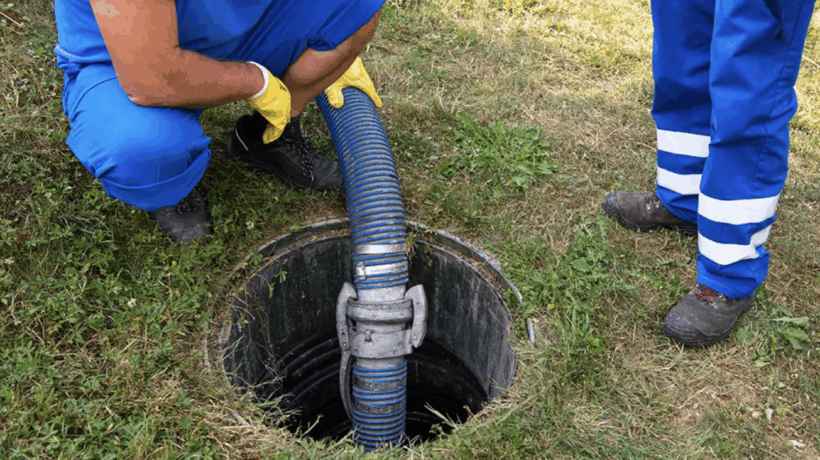
Most households need pumping every three to five years. The schedule depends on tank size, property usage, and the number of people living in the home. A smaller tank or a larger household may require more frequent pumping.
Regular pumping clears out solids that collect at the bottom of the tank and supports smoother septic system maintenance throughout the year.
Skipping pumping appointments can lead to excess buildup, which pushes solids into the drain field. That often leads to drainage issues or expensive repairs. Staying consistent protects the system from unnecessary strain and keeps your overall septic tank maintenance plan on track.
What a Professional Inspection Includes
Inspections help identify developing issues before they turn into bigger problems. A qualified technician checks the tank, filters, baffles, and drain field area. They also look for leaks, structural concerns, and early signs of blockages.
Routine inspections create a stronger foundation for septic system maintenance, especially when combined with regular pumping. A thorough look at the tank helps you understand how well it’s functioning and whether a service appointment is due. These visits keep the system responsive and support reliable septic tank maintenance with minimal disruptions.
Common Warning Signs You Should Never Ignore
A septic system usually gives small hints before major issues appear. Paying attention to these early signs strengthens your overall septic system maintenance routine and helps prevent costly repairs.
- Slow or gurgling drains often indicate buildup inside the system and require attention to support consistent septic system maintenance.
- Unpleasant odors suggest that waste is not breaking down properly, and your septic tank maintenance schedule may be overdue.
- Pooling water in the yard shows that the drain field may be saturated or blocked, which affects the overall septic system.
- Backups or flushing problems signal that the tank may be overloaded and needs immediate septic tank maintenance.
- Strange sounds from plumbing, like bubbling or air noises, can point to early system stress that should be checked to protect your septic system maintenance routine.
ALSO READ: Common Signs It’s Time for a Septic Snaking Service
Keep Your System Healthy With ProSeptic
Homeowners who stay proactive in their septic system maintenance enjoy better system efficiency and fewer unexpected issues. When something feels off, expert support can make a big difference. A professional can identify concerns early, guide you through the right service schedule, and help you protect the system that supports your home every day.
At ProSeptic, we take pride in helping homeowners care for their systems with confidence. If you’re looking for dependable support, we’re here to assist. To learn more about our services, feel free to reach out to ProSeptic and schedule your next service appointment.