Heavy rain can create problems for homeowners in ways that are not always obvious at first. One of the most stressful situations occurs when a septic system starts acting up during or after a storm. Drains slow down. Toilets behave unpredictably. In some cases, wastewater may even back up into the home.
These situations are often linked to septic tank problems when it rains. Excess rainfall saturates the soil surrounding the system. That saturation limits how well wastewater can drain and disperse. When the system cannot release water efficiently, pressure builds up inside the tank and pipes.
This guide explains what to do if your septic system backs up during heavy rains. It covers why these issues happen, the warning signs to watch for, and the immediate actions that can help limit damage.
Why Septic Tank Problems Are So Common When It Rains
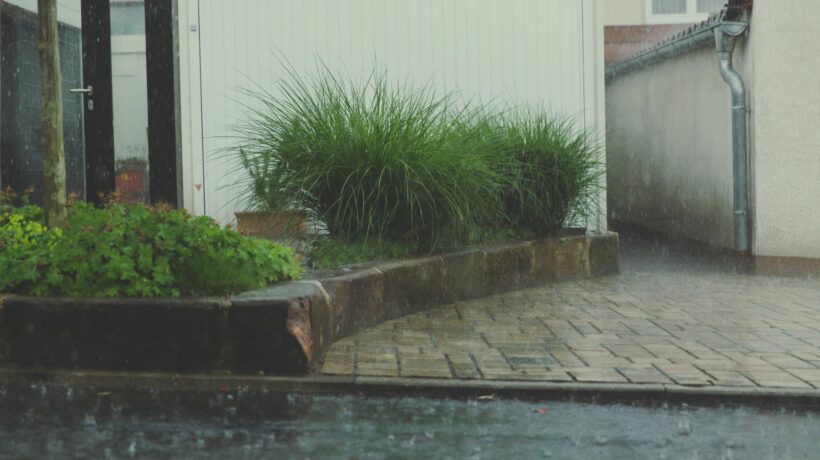
Heavy rain changes how the ground around a septic system behaves. Soil that normally absorbs wastewater becomes saturated. Once that happens, the system struggles to release liquid at a normal rate. This is one of the main reasons septic tank problems when it rains occur so frequently.
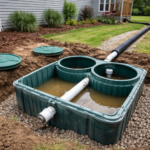
A septic system relies on gravity and soil absorption. During prolonged or intense rainfall, groundwater levels rise. That extra water fills the spaces in the soil that usually allow wastewater to disperse. When the drain field cannot absorb additional liquid, wastewater has nowhere to go. Pressure begins to build inside the tank and pipes.
These conditions often lead to septic tanks bubbling after heavy rain. Air becomes trapped in the plumbing system as water flow slows. The trapped air escapes through fixtures, causing gurgling or bubbling sounds. While this may seem minor at first, it is often an early sign of larger septic tank problems when it rains.
In more severe cases, the system may reach capacity. When that happens, septic tank overflow after heavy rain becomes a real risk. Wastewater can back up into sinks, tubs, or toilets. It may also surface outdoors near the tank or drain field. These outcomes are more common in systems that are older, poorly maintained, or already operating near their limit.
Understanding why septic tank problems when it rains happen helps homeowners respond more effectively. Heavy rain is not something you can control. What you can control is how quickly you recognize the warning signs and how you manage water use when conditions are unfavorable.
Early Warning Signs to Watch For During Heavy Rain
Septic issues often give subtle warnings before a full backup occurs. Paying attention during storms helps you act early and limit damage. Many septic tank problems when it rains start with small changes that are easy to overlook.
1. Slow Drains Throughout the Home
Sinks, showers, and tubs may begin draining more slowly than usual. Toilets may flush inconsistently or feel sluggish. These changes often appear during or shortly after heavy rainfall, when the system is under increased pressure. Slow drainage is one of the most common signs of septic tank problems when it rains.
2. Septic Tank Bubbling After Heavy Rain
Gurgling or bubbling sounds coming from toilets or drains are another warning sign. Septic tank bubbling after heavy rain occurs when wastewater flow slows and air becomes trapped in the plumbing system. While the sound may fade once rain stops, repeated bubbling suggests ongoing septic tank problems when it rains.
3. Unpleasant Odors from Drains or Outdoors
Sewer-like smells inside the home or near the septic area should not be ignored. These odors often indicate that wastewater is not moving through the system properly. During storms, restricted drainage increases the chance of odors linked to septic tank problems when it rains.
4. Standing Water or Lush Grass Near the Drain Field
Water pooling in the yard or unusually green grass over the drain field can signal septic tank overflow after heavy rain occurring below the surface. Even when wastewater is not visible indoors, these outdoor signs suggest the system is struggling to handle excess moisture.
Recognizing these warning signs allows homeowners to reduce water use and respond before septic tank problems when it rains escalate into a full backup. Early action often makes the situation easier to manage and less disruptive.
Immediate Steps to Take During a Septic Backup
When a backup happens during heavy rain, quick action can limit damage and reduce health risks. The goal is to relieve pressure on the system while preventing wastewater from spreading inside the home. These steps are especially important when septic tank problems when it rains escalate suddenly.
First, reduce all indoor water use. Avoid flushing toilets, running dishwashers, or using washing machines. Even small amounts of water add pressure to a system that is already struggling. Limiting usage helps prevent septic tank overflow after heavy rain from getting worse.
Next, keep people and pets away from affected areas. If wastewater is backing up into tubs, showers, or floor drains, block access if possible. Direct contact with sewage poses health risks and should be avoided during septic tank problems when it rains.
If bubbling or gurgling continues, do not attempt to force drains to clear. Plunging toilets or using chemical drain cleaners can increase pressure and cause additional damage. These actions often make septic tank bubbling after heavy rain more severe rather than resolving it.
Ventilate the space if odors are present. Open windows when safe to do so. This does not fix the issue, but it can make conditions more manageable while you assess the situation. Continue monitoring for signs of septic tank overflow after heavy rain, especially if rainfall persists.
Protect Your Home During the Rainy Season
Long-term prevention starts with awareness and proper care. Regular inspections, responsible water usage, and timely professional support reduce the likelihood of repeat issues. If you notice recurring septic tank bubbling after heavy rain or signs of septic tank overflow, it is a clear indication that the system needs expert evaluation.
At ProSeptic, we help homeowners address septic issues caused by severe weather and poor drainage conditions. Our services focus on accurate diagnosis and practical solutions tailored to local conditions.
If you are dealing with ongoing septic tank problems when it rains, learn more about our services and see how we can help protect your home during the heavy downpours.